Bio

I am a computational biologist working at the intersection of spatial regulatory biology, systems immunology, and cell-state dynamics. My central scientific interest is how regulatory programs—including transcription factors, RNA-binding proteins, microRNAs, and chromatin architecture—interact with immune and tissue context to determine which cellular states emerge, persist, transition, or fail in disease.

I am an M.S. candidate in Bioinformatics at Johns Hopkins University and a Graduate Research Assistant in the Advanced Computing and Oncology Laboratory at Memorial Sloan Kettering Cancer Center. My thesis project, StageBridge, develops niche-conditioned models of cell-state transition from cross-sectional single-cell and spatial transcriptomic data. In parallel, my work at MSK integrates quantitative imaging, immune profiling, tumor genomics, circulating biomarkers, and clinical outcomes to study how host biology shapes treatment response and disease trajectory.

Across these projects, I aim to move from static molecular description toward mechanistically interpretable models of biological change. I am especially interested in computational frameworks that connect gene-regulatory programs to spatial organization and cell-state transitions, and in universal differential equations and other hybrid mechanistic-learning approaches that can incorporate known biology while learning the dynamics that remain unknown. This is the research direction I intend to develop through Ph.D. training.

Current focus

Spatial regulatory biology and cell-state dynamics

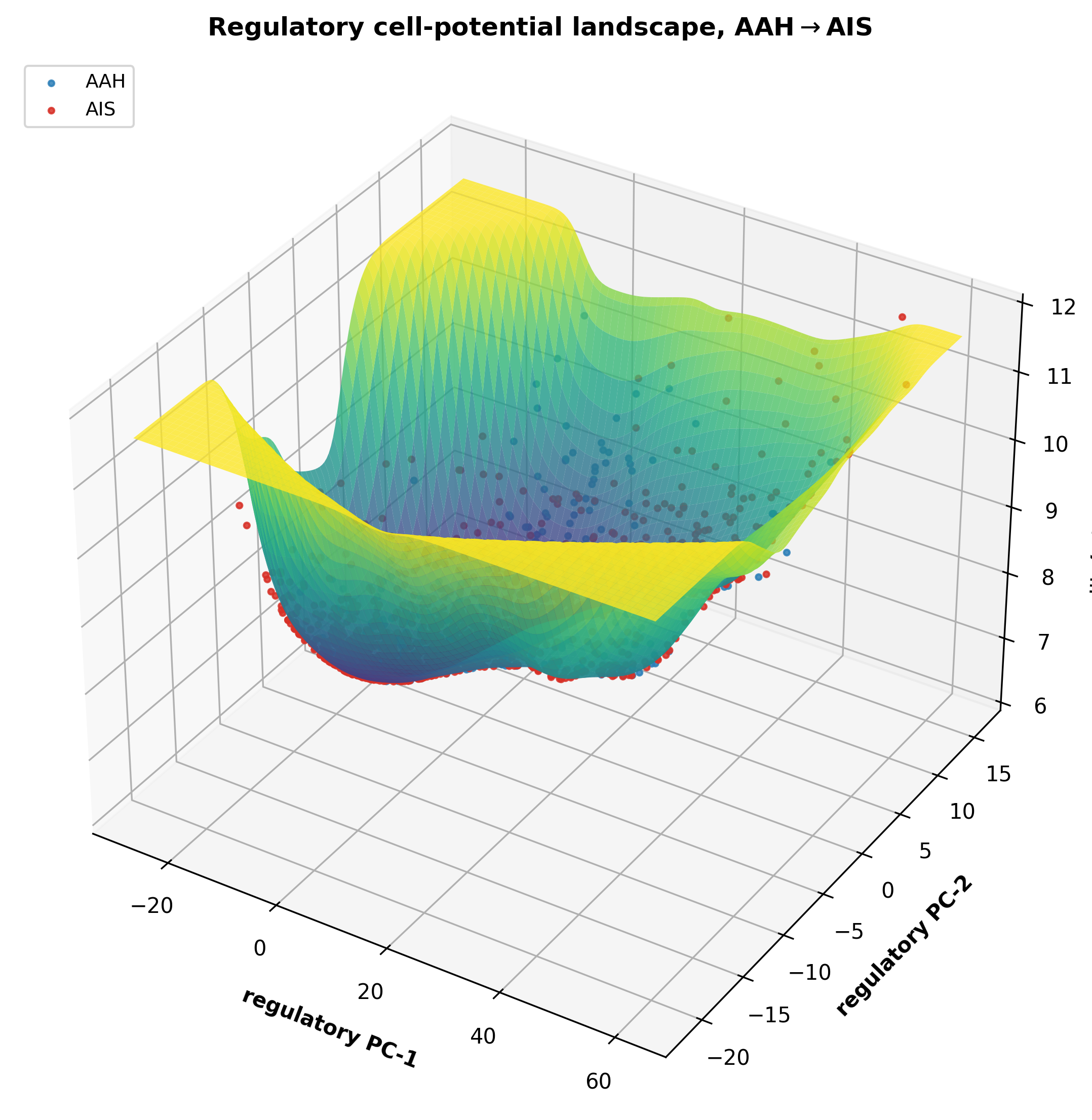
I study how local niche context and regulatory programs shape cell-state transitions across premalignant, malignant, inflammatory, and tissue-remodeling settings. StageBridge is the current methodological foundation for this direction, combining receiver-centered niche representations with progression-aware transition modeling.

Systems immunology and host response

Through HostBio and the broader thymic-reserve program, I investigate how systemic immune architecture and host tissue state modify treatment response, toxicity, recurrence, and survival. This work connects quantitative imaging with longitudinal immune phenotyping, tumor genomics, radiation exposure, and clinical outcomes across multiple lung cancer cohorts.

Collaborative disease biology

I contribute computational analysis and model development to collaborations in secondary lymphedema, myasthenia gravis and thymoma, cGAS-STING biology, and head and neck squamous cell carcinoma. These projects provide complementary systems in which to study immune regulation, tissue remodeling, and disease-associated cell states.

Mechanistic models of biological dynamics

A growing methods focus is the use of universal differential equations and other hybrid mechanistic-machine-learning models to represent biological systems whose governing structure is partly known but whose context-dependent dynamics must be learned from data.

Research software as scientific infrastructure

I build reproducible, configuration-driven platforms for single-cell analysis, quantitative imaging, microbiome research, and cancer genomics. The goal is not software for its own sake, but infrastructure that makes complex biological questions auditable, scalable, and testable across datasets.

Selected projects

Together, these projects form a connected research program: learning how cell states are regulated in tissue context, quantifying host and immune biology from clinical data, and building rigorous computational infrastructure that can carry those questions across cohorts and modalities.

StageBridge - A thesis-driven framework for inferring how local immune and stromal niches reshape epithelial cell-state trajectories during lung adenocarcinoma progression. StageBridge integrates dual-reference atlas mapping, receiver-centered set representations, optimal transport, conditional flow matching, spatial transcriptomics, and evolutionary context to move beyond static stage comparisons toward niche-conditioned models of transition.
HostBio - A scalable platform for extracting biologically interpretable host phenotypes from routine CT and MRI. HostBio combines organ segmentation, scan-adaptive tissue-composition modeling, cohort-scale workflow orchestration, and quantitative quality control to measure thymic, muscle, liver, and tumor-associated states and connect them to immune function, treatment response, toxicity, and survival.
CellQuorum - A reproducible, GPU-aware single-cell RNA-seq workflow engine built to make advanced analysis scalable without sacrificing auditability or scientific discipline. CellQuorum combines strict configuration validation, fail-loud data contracts, provenance tracking, backend-aware execution, ambient-RNA correction, quality control, normalization, integration, clustering, and annotation, with regulatory-network, communication, and trajectory modules under active development.
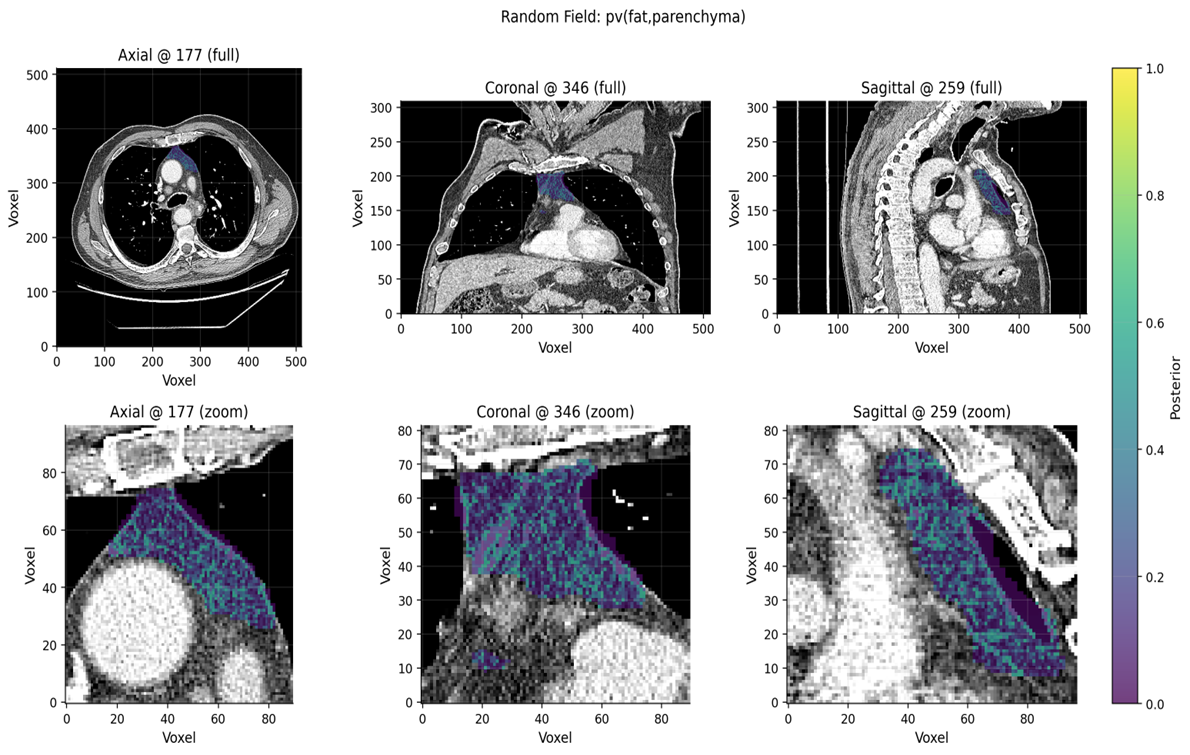
Thymus nnUNetv2 Segmentation - A pretrained five-fold nnUNetv2 framework for 3D thymus segmentation on thoracic CT, with standalone inference, fold-wise evaluation, quantitative metrics, multiplanar overlays, and GPU/CPU support. The model provides the segmentation backbone for scalable radiographic thymic phenotyping within HostBio.
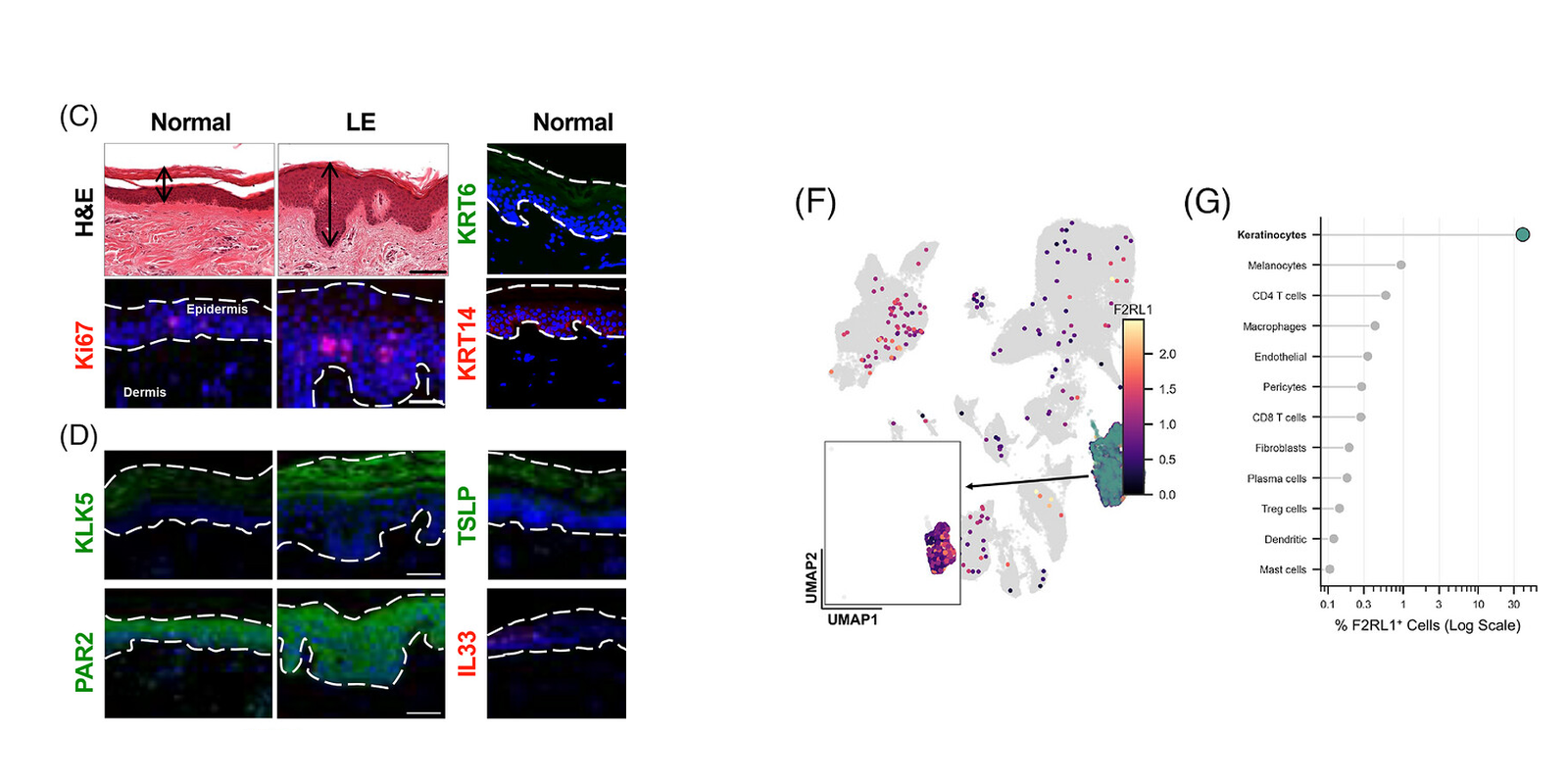
Secondary Lymphedema Single-Cell Analysis - A collaboration with the Mehrara Lab using paired normal and lymphedematous human skin to resolve disease-associated keratinocyte states and tissue remodeling. The published PAR2 study established a keratinocyte-centered mechanism in secondary lymphedema; ongoing work extends the analysis across epithelial, immune, and stromal compartments with donor-aware inference and cross-dataset validation.
Dysbioscope - A collaboration with the Mehrara Lab and a reproducible multi-cohort framework for discovering convergent and context-dependent microbiome responses. Dysbioscope links raw 16S processing, dual taxonomic classification, compositional differential-abundance methods, functional prediction, cross-cohort concordance, and publication-grade visualization in a single Snakemake workflow.
Cosmic-IMPACT - A cancer-genomics toolkit that unifies MSK-IMPACT tissue sequencing and MSK-ACCESS cell-free DNA analysis. The platform integrates mutation annotation, tumor mutational burden, genomic instability, mutational signatures, clonality, driver discovery, ctDNA estimation, and longitudinal clonal-evolution summaries to connect genomic state with clinical trajectory. Research use only; not a clinical diagnostic tool.

Education

M.S. in Bioinformatics

2024 - 2026 expected
Johns Hopkins University

GPA: 4.0

Master’s thesis: StageBridge: Context-Residual Inference of Cell-State-Resolved Niche Effects in Premalignant Epithelial Transitions.

Advisor: Christopher Bradburne, PhD, Department of Genetic Medicine, Johns Hopkins University School of Medicine / Johns Hopkins Applied Physics Laboratory.

Selected coursework: Advanced Genomics; Gene Expression Analysis; Systems Biology; Deep Learning Using Transformers; Epigenetics; Cellular Signal Transduction.

B.A. in Biochemistry and Mathematics

2019 - 2023
Yeshiva University

Summa Cum Laude, GPA 3.9.

Honors thesis: Investigating the Role of MMP14, B7-H3, PTK7, and LRRC15 in Head and Neck Cancers: Implications for Antibody-Drug Conjugates.

Experience

Graduate Research Assistant

2025 - present
Advanced Computing and Oncology Lab, Sloan Kettering Institute, Memorial Sloan Kettering Cancer Center

Lead conceptual development and computational strategy for translational studies of tumor-host interaction, immune remodeling, thymic composition, treatment toxicity, and lung cancer outcomes.

  • Develop multimodal analysis frameworks integrating thoracic CT, radiation dose, clinical outcomes, targeted sequencing, circulating tumor DNA, RNA-seq, flow cytometry, cytokine profiling, and immune validation assays.
  • Build spatial and single-cell workflows for reference-atlas mapping, spatial deconvolution, cell-state annotation, regulatory-network analysis, cell-cell communication, and interpretation of inflammatory, stromal, epithelial, and immune programs.
  • Contribute to cross-group collaborations in secondary lymphedema, myasthenia gravis and thymoma, cGAS-STING biology, head and neck squamous cell carcinoma, and translational systems immunology.
  • Develop reusable research software for cohort-scale quantitative imaging, single-cell analysis, microbiome comparison, and cancer genomics.
  • Generate publication-grade figures, statistical analyses, reproducible workflows, abstracts, and manuscript-ready results; contribute as co-first author and primary quantitative analyst on translational studies.

Medical / Laboratory Assistant

2023 - 2024
The Center for Skin Surgery, Cornwall, NY

Supported Mohs micrographic surgery workflow, clinical documentation, tissue handling, and dermatopathology preparation for squamous and basal cell carcinoma cases.

  • Prepared frozen tissue sections and H&E-stained slides.
  • Assisted with immunohistochemistry-associated workflows and surgical pathology review preparation.

Honors Thesis Research

Jan - Jul 2023
Department of Biology, Yeshiva University

Analyzed TCGA and GEO transcriptomic datasets in R and Bioconductor to study tumor immune microenvironment programs in head and neck squamous cell carcinoma, with emphasis on cancer-associated fibroblast and cancer stem-like cell states.

  • Integrated differential expression, pathway enrichment, survival analysis, cell-cell communication evidence, and structural biology context to prioritize candidate antibody-drug conjugate targets.

Research Assistant

2019
Bruckner Oncology, Bronx, NY

Built and maintained a clinical oncology research database, performed retrospective survival analyses, and contributed to peer-reviewed studies of prognostic factors and treatment outcomes in gastrointestinal cancers.

Presentations

Selected scientific presentations.

StageBridge Resolves Inflammatory-Stromal Transition Niches in Lung Adenocarcinoma Progression - Poster presentation, Center for Tumor Immune Systems Biology Symposium, Sloan Kettering Institute, 2026. Authors: Abraham J. Book, Jung Hun Oh, Anish K. Simhal, Joseph O. Deasy, Erhan Guven, Christopher Bradburne, Tafadzwa L. Chaunzwa.

Publications

Selected peer-reviewed publications, preprints, and manuscripts.

  • Thymic Composition Predicts Radiation Pneumonitis in Locally Advanced NSCLC
  • Chaunzwa TL, Krishnan G, Book AJ, Miller DG, Amoako-Boadu K, Garomsa B, Meng YJ, Yang E, Ma J, Chidi A, Gomez DR, Shaverdian N.
    Journal of Thoracic Oncology. 2026;103949. doi: 10.1016/j.jtho.2026.103949.
  • Critical Role of Keratinocytes and Protease-Activated Receptor 2 in Secondary Lymphedema Development
  • Park HJ, Pal S, Chen X, Shin J, García Nores GD, Baik JE, Stull-Lane A, Book AJ, Clement CC, Encarnacion EM, Klang MG, Riedel E, Chaunzwa TL, Hespe GE, Santambrogio L, Coriddi M, Dayan JH, Mehrara BJ, Kataru RP.
    Clinical and Translational Medicine. 2026;16(6):e70682. doi: 10.1002/ctm2.70682.
  • Mechanistic Modeling and Machine Learning Identifies Optimum Radiotherapy Schedules to Prevent Treatment-Induced Metastasis
  • Graser CJ, Zhou Z, Schürch M, Moorhead G, Chaunzwa TL, Book AJ, Dean J, Lin C, Dean JA, Gomez D, Kozono D, Lahav G, Michor F.
    Manuscript under review, 2026.
  • Thymus Composition, Disease Control, and Toxicity in Locally Advanced Lung Cancer
  • Chaunzwa TL, Book AJ, Garomsa B, Meng YJ, Yang E, Krishnan G, Chidi A, Kim R, Ma J, Riely GJ, Huang J, Simone CB, Shaverdian N, Gomez DR.
    medRxiv. 2025. doi: 10.1101/2025.10.20.25338395.
  • Cholangiocarcinoma, Sequential Chemotherapy, and Prognostic Tests
  • Bruckner HW, De Jager R, Knopf E, Bassali F, Book A, Gurell D, Nghiem V, Schwartz M, Hirschfeld A.
    Frontiers in Oncology. 2024;14:1361420. doi: 10.3389/fonc.2024.1361420.
  • Actionable Tests and Treatments for Patients with Gastrointestinal Cancers and Historically Short Median Survival Times
  • Bruckner HW, Bassali F, Dusowitz E, Gurell D, Book A, De Jager R.
    PLOS One. 2022;17(11):e0276492. doi: 10.1371/journal.pone.0276492.

    Technical skills

    Programming and infrastructure

    Single-cell and spatial omics

    Genomics and epigenomics

    Immune profiling and biomarker integration

    Proteomics and spatial proteomics interpretation

    Statistical modeling and survival analysis

    Optimal transport and transition modeling

    Deep learning and representation learning

    Computational pathology and medical imaging